 Veterinary Emergency & Urgent Care
 I Have An Emergency
Is Compost Dangerous for Pets?
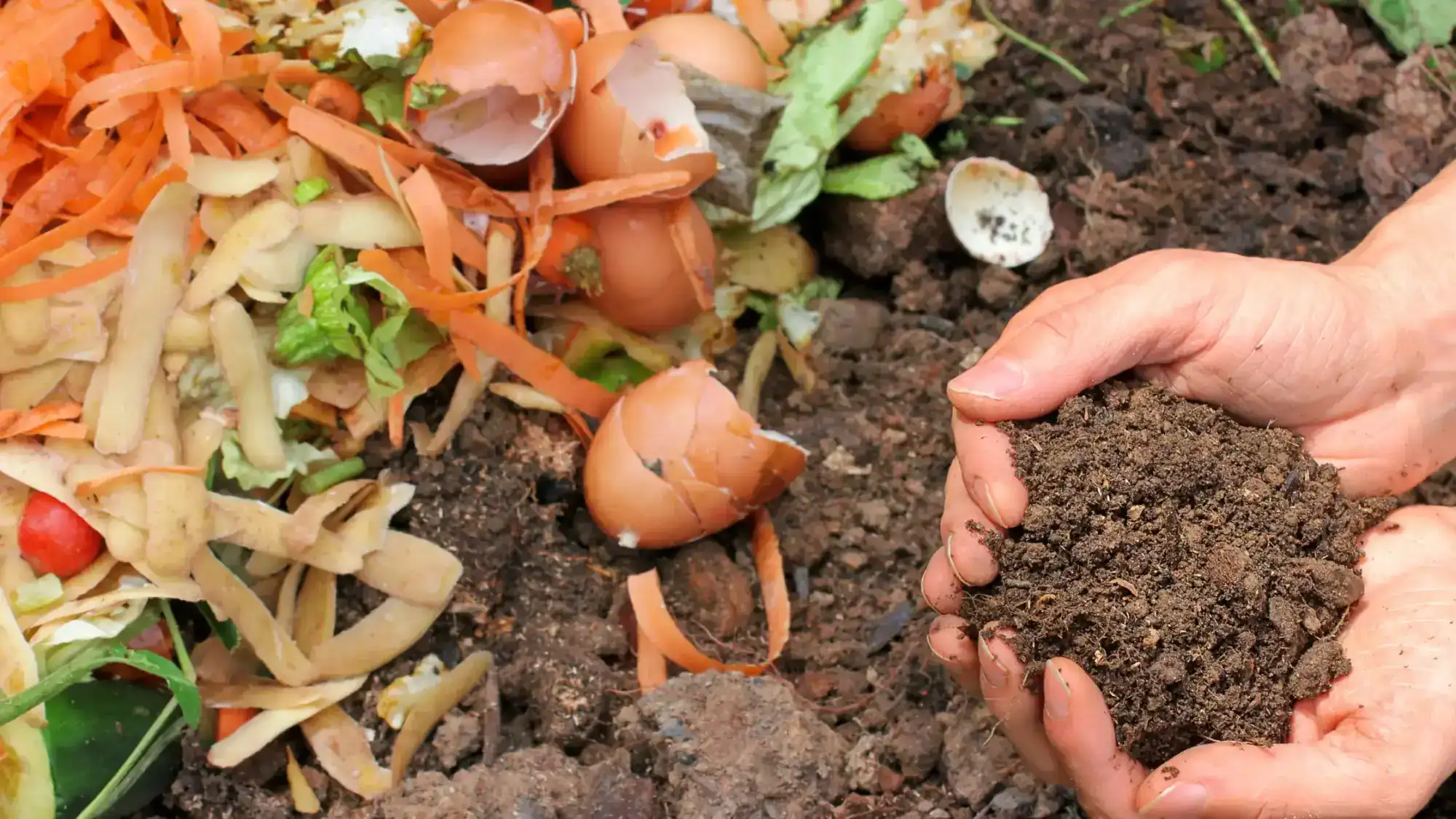
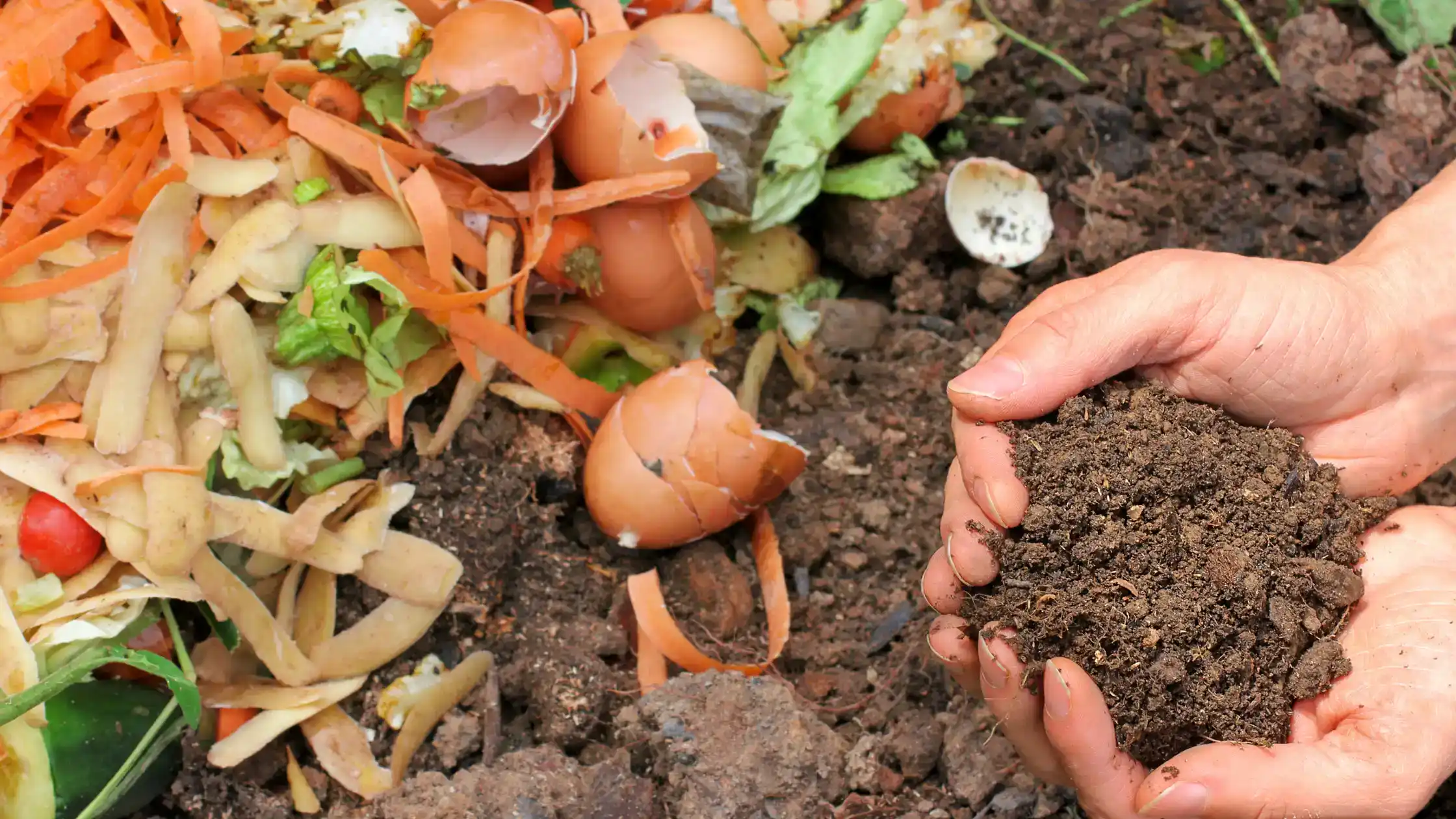
Composting is an eco-friendly way to reduce household waste while creating nutrient-rich soil for your garden. However, while it’s great for the planet, compost can be surprisingly dangerous for curious pets. The smell of decomposing food may attract dogs or other animals, and eating compost can also lead to serious health problems. So it’s important to ask: is compost dangerous for pets? The short answer is yes.
Here are some of the top compost hazards:
- Tremorgenic Mycotoxins
Mold that grows on decomposing food can release mycotoxins—poisons that affect the nervous system. These can cause tremors, agitation, seizures, and more. - Onions and Garlic
These common kitchen scraps are toxic to pets and can lead to gastrointestinal issues and damage to red blood cells. As a result, your pet could acquire anemia. - Bones and Corncobs
Bones and corncobs may cause choking, intestinal blockages, or severe digestive upset. - Chocolate and Coffee Grounds
Compost containing chocolate, cocoa, or caffeine (from coffee grounds) can overstimulate your pet’s nervous system—leading to rapid heartbeat, tremors, seizures, or worse. - Fatty Foods
Greasy leftovers can cause pancreatitis in pets—a painful, potentially serious condition that often requires hospitalization.
What to do if your pet eats compost
If you suspect compost ingestion, call your vet or the Pet Poison Helpline right away. Be ready to describe what was in the compost pile. If your pet is showing symptoms like tremors, vomiting, or collapse, seek emergency care immediately.
Veterinary treatment may include inducing vomiting, giving activated charcoal, IV fluids, and medications to manage symptoms. X-rays might also be needed to check for intestinal blockages.
Preventing compost-related emergencies
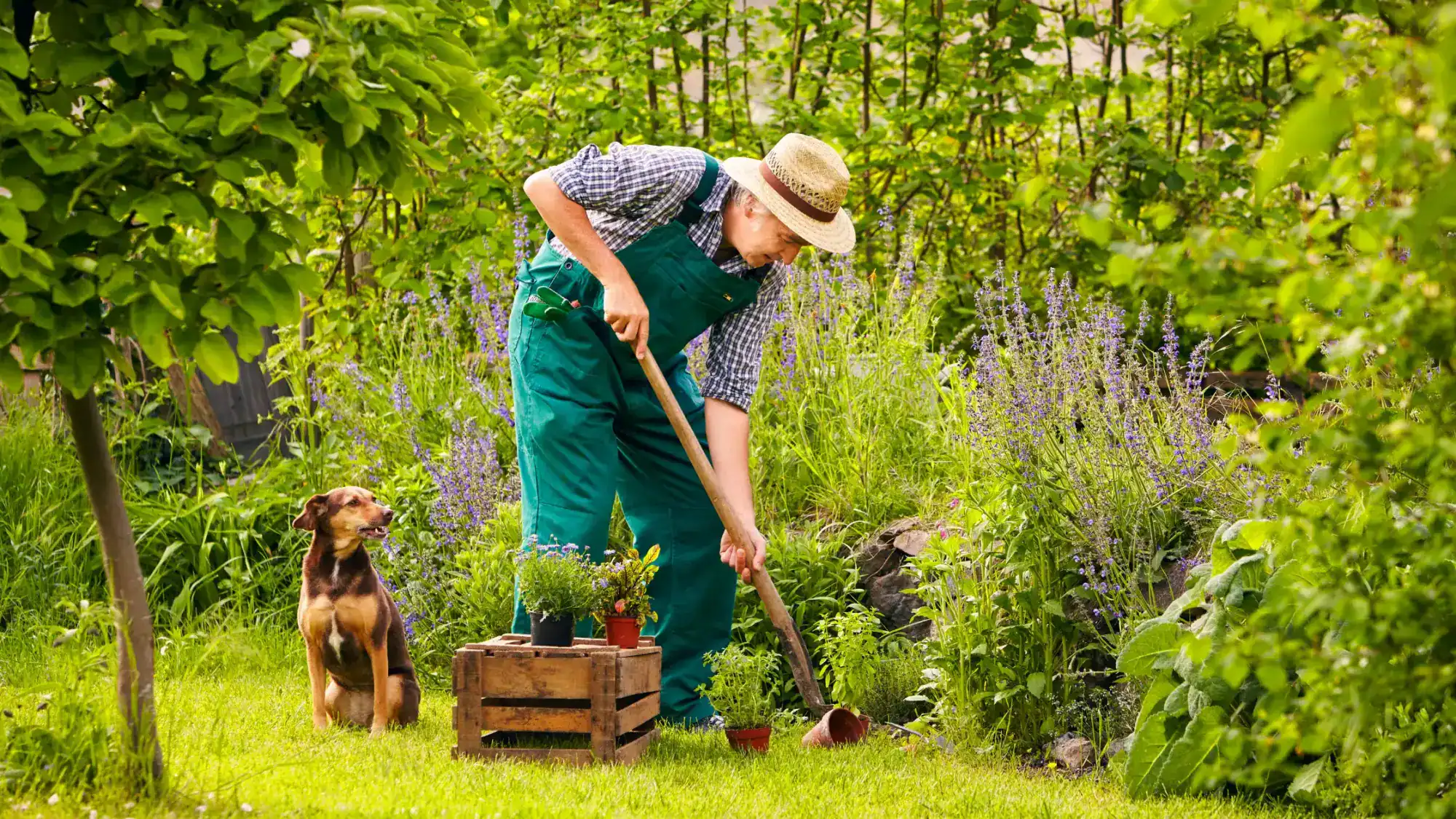
Keep compost piles fenced off or use enclosed bins. If you have an outdoor compost area, supervise your pet while they’re outside. A little prevention can save your pet a lot of pain—and save you a costly vet bill.
We hope you never have to face this emergency, but if your pet does ingest compost, you can call Animal Emergency & Referral Center of Minnesota at (651) 501-3766. Our trained Contact Center will notify our ER team to prepare for your pet’s arrival.
Written by Joseph Nitcher, DVM.
More Reading:
Compost, Garbage, and Mold, Oh My!