
 Veterinary Emergency & Urgent Care
 I Have An Emergency
Emergency Vet Mythbusters: Summer Edition
Summer is a wonderful time to get outside and enjoy adventures with our pets. Whether you’re heading to the lake, firing up the grill, or spending long days hiking, warmer weather also brings some common pet emergencies—and plenty of misinformation about how to handle them.
In a recent Facebook Live, AERC emergency veterinarian Dr. Jasmine Almedo joined us to bust some common summer pet myths and share what pet owners should actually do when trouble strikes.
Here are six myths every pet owner should know.
Myth #1: It’s Always Safe to Give Hydrogen Peroxide to Make a Pet Vomit
Many pet owners have heard that if their dog eats something they shouldn’t, hydrogen peroxide is a safe way to induce vomiting at home.
Unfortunately, that’s not always true.
While some toxins can be safely removed through vomiting, others can cause even more damage on the way back up. Batteries, chemicals, and sharp objects are just a few examples. Hydrogen peroxide itself can also cause irritation and injury to the stomach and esophagus. In some cases, struggling pets may even aspirate the liquid into their lungs, leading to pneumonia.
The safest first step is to call your veterinarian, an emergency hospital, or a pet poison hotline before attempting any home treatment.
It’s also important to know that hydrogen peroxide should never be given to cats, as it can cause severe stomach injury.
What We Do Instead
At veterinary hospitals, dogs can be given an injectable medication called apomorphine, which safely induces vomiting. Cats require different medications and are generally less reliable “vomitors” than dogs.
Myth #2: A Limp After Hiking Is No Big Deal

After a long hike or an active weekend, it’s easy to assume your dog is simply sore.
Sometimes that’s true—but not always.
Limping can be caused by a variety of issues, including:
* Torn nails
* Foreign objects lodged in the paw
* Bee stings
* Ligament injuries
* Fractures or other orthopedic problems
Some of these injuries can be quite painful and may require medical treatment or even surgery.
If your pet is limping, it’s best to have them evaluated and started on appropriate pain management rather than waiting to see if it resolves on its own.
Myth #3: Benadryl Fixes Every Bee Sting
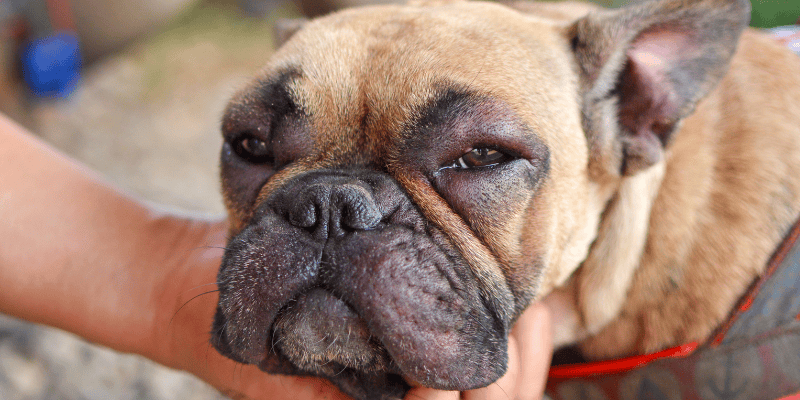
Dogs seem to have a remarkable talent for chasing flying insects, and bee stings are a common summertime problem.
Benadryl can help with mild allergic reactions, but it is not a cure-all. More serious reactions can progress to anaphylactic shock, which can become life-threatening.
Seek veterinary care if your pet develops:
* Facial swelling
* Difficulty breathing
* Vomiting
* Weakness
* Collapse
These symptoms can indicate a more serious allergic reaction requiring immediate treatment.
Interestingly, Dr. Olmedo recently treated a dog whose painful limp turned out to be a bee stinger embedded in its paw—a reminder that insect stings can show up in unexpected ways.
Myth #4: If the Incision Looks Healed, Swimming Is Fine

Many dogs love the water, especially during Minnesota summers. After surgery, however, appearances can be deceiving.
Even when the skin looks fully healed, deeper tissues may still be recovering. Swimming too soon can introduce bacteria into the surgical site, increasing the risk of infection and delayed healing. This is especially concerning after orthopedic procedures involving implants.
Before allowing your pet to swim, bathe, or return to water activities, check with your surgeon about when it’s truly safe. A little extra patience can help prevent costly and potentially serious complications.
Myth #5: One Corn Cob, Skewer, or Grape Can’t Hurt Them
Summer cookouts are fun for people—but they can be dangerous for pets.
Corn Cobs
Corn cobs are one of the most common barbecue-related emergencies veterinarians see. They can become lodged in the stomach or intestines, causing a potentially life-threatening obstruction that may require endoscopy or surgery.
Don’t forget that many dogs find corn cobs in the garbage, so secure your trash after cookouts.
Grapes and Raisins
Even a single grape or raisin can be dangerous.
These foods can cause severe kidney injury in dogs, and the reaction is unpredictable. Some dogs may eat grapes without apparent effects, while others can become critically ill.
If your dog eats grapes or raisins, contact your veterinarian or an emergency hospital immediately. Early treatment and decontamination can significantly reduce the risk of serious complications.
Myth #6: If My Dog Keeps Walking, the Pavement Isn’t Too Hot
Dogs don’t always make good decisions when it comes to their own safety.
Many dogs will continue walking, running, and playing even when they’re uncomfortable, overheated, or injuring themselves. Pavement—especially black asphalt—can become dramatically hotter than the surrounding air temperature and can cause painful burns to paw pads.
A simple test can help: If you can’t comfortably hold your hand on the pavement for seven seconds, it’s too hot for your dog’s paws.
Burned paw pads can develop tissue damage, infection, and significant pain. When temperatures climb, plan walks for early morning or later evening when surfaces have cooled.
Enjoy Summer Safely
Most summer pet emergencies are preventable with a little awareness and preparation. When in doubt, it’s always better to call your veterinarian or an emergency hospital before attempting treatment at home.
At AERC, we’re available 24 hours a day, 7 days a week, 365 days a year. If you’re unsure whether something is an emergency, give us a call. Our trained team can help you determine the best next step for your pet.
Here’s to a fun, safe, and healthy summer for you and your furry family members!