 Veterinary Emergency & Urgent Care
 I Have An Emergency
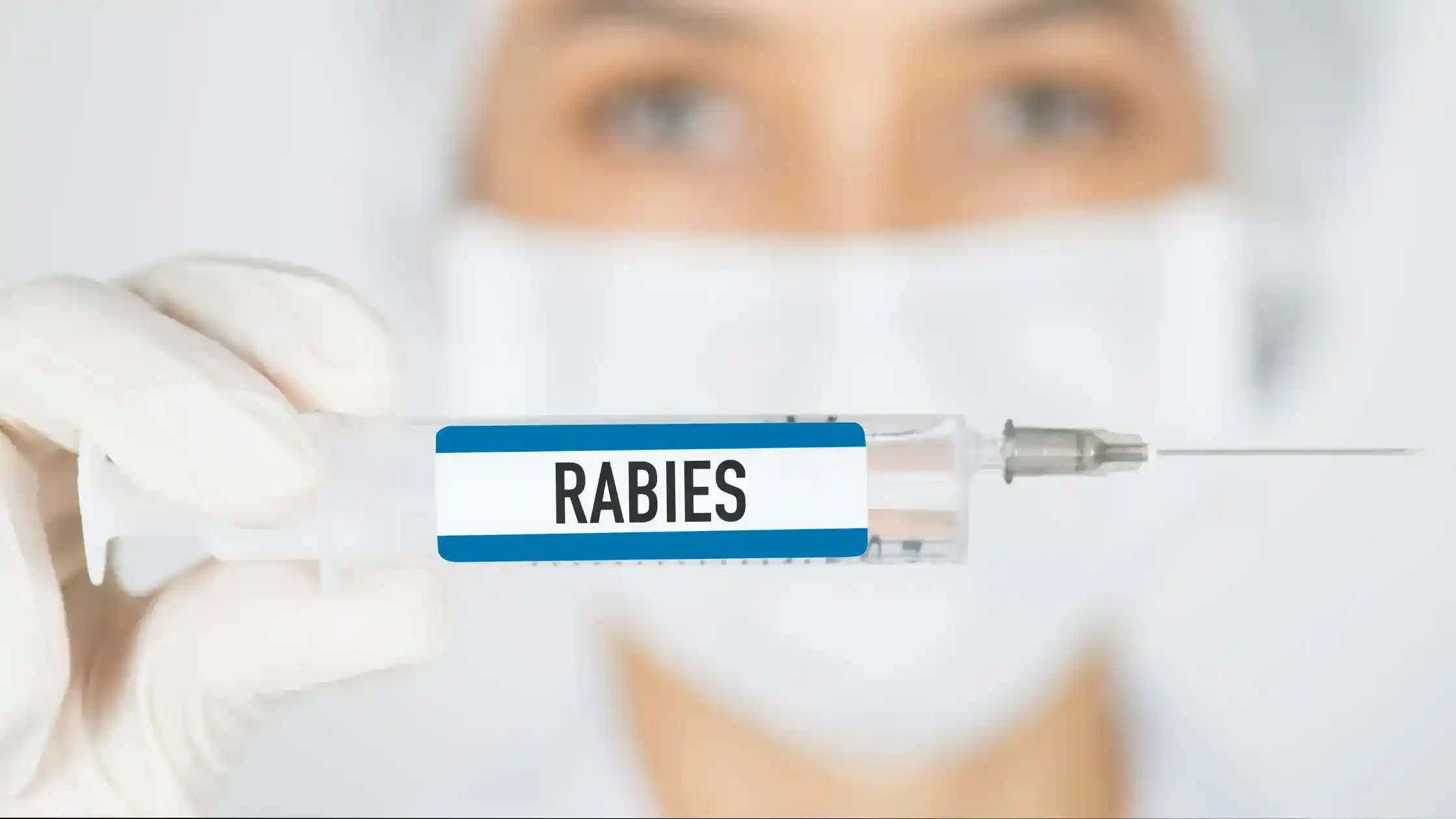
Understanding Rabies & How to Protect Your Pet
If your pet is not current on vaccinations, including rabies, contact your family veterinarian to set up an appointment.
If a wild or stray animal bit your pet, contact your family veterinarian or the Minnesota Board of Animal Health (651.201.6808) regarding rabies testing. If your community has an animal control office, contact them for help in safely capturing the wild or stray animal for rabies testing.
Rabies is a viral infection caused by a lyssavirus that affects the mammalian nervous system. Infection is typically transmitted via saliva of an infected animal, such as a bite.
Common Animals Affected
While any mammal, including humans, can become infected with rabies virus, there are certain mammals at higher risk.
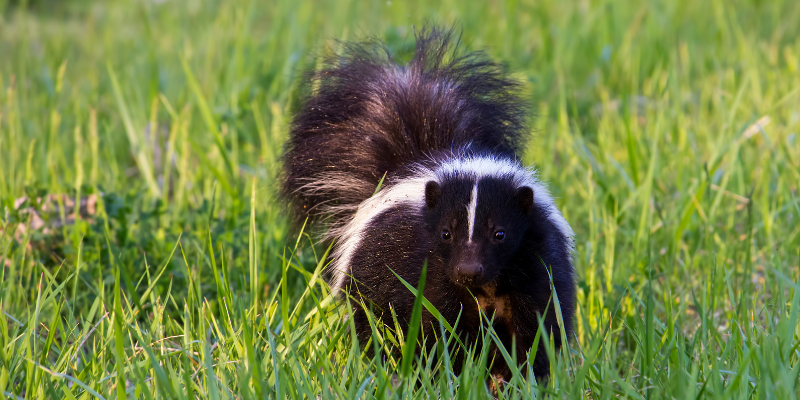
Common wildlife affected by rabies virus infection include:
- Skunks
- Bats
- Raccoons
- Foxes
- Bobcats
Common domestic species affected by rabies infection include:
- Cats
- Dogs
- Horses
- Cattle
- Llamas
- Sheep
- Goats
What is the Likelihood of Being Exposed?
In areas of the world where there are large populations of unowned, unvaccinated, stray dogs and cats, higher rates of human death occur. The most recent case of human death from rabies infection in Minnesota was September of 2024. The patient, a woman, was exposed to a bat that was trapped inside her house for several days. She killed it with a hammer, and though no bite was reported, splatter from the method of extermination may have caused her to be contaminated. She was also reported to be a very deep sleeper and may not have been aware of a bite during the night. Either way, she did not consult a doctor. She developed symptoms and was hospitalized. She was not diagnosed until after she died.
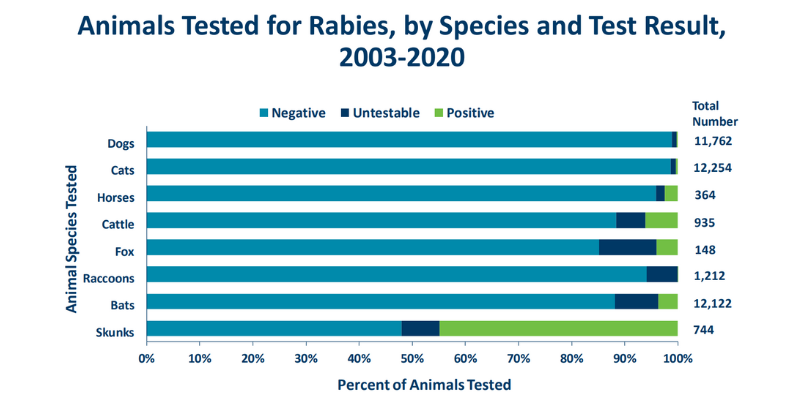
Skunks and bats comprise the species of wild animals of highest concern in Minnesota. In March 2024, a cow contracted rabies, with presumed exposure to a skunk that had recently been killed on the farm property. You can find current information about rabies prevalence in the state of Minnesota here.
How Rabies Affects the Body
Once a mammal is bitten, the rabies virus migrates to the brain. The virus spreads rapidly within the brain, causing inflammation. Symptoms then progress in stages:
- First Stage
- Fever and weakness
- Second Stage
- Ataxia (Wobbly gait) and unusual behaviors
- Some animals display symptoms commonly known as the “furious phase” – confusion, biting, and snarling.
- Other animals display opposite symptoms known as the “somnolent form” – sleepiness or dullness (staring at wall, head-pressing against the wall)
- Ataxia (Wobbly gait) and unusual behaviors
- Third Stage
- Eventually, within days, the infection progresses to the “paralytic” phase – where the individual experiences paralysis, especially in the face and throat muscles. This causes difficulty swallowing, excessive drooling, and the inability to speak or breathe properly.
Diagnosis & Treatment
Rabies diagnosis is made with special testing (direct fluorescent antibody test or DFA.) A state veterinary diagnostic laboratory uses brain tissue from the suspect animal to test for rabies.
Rabies is a zoonotic disease, meaning it can spread from an animal to a human being. Because there is no effective, widespread treatment, and because infection results in death, most U.S. states have laws mandating vaccination. The vaccination (both for humans and animals) is highly effective. In Minnesota, we have species-specific rabies vaccines for dogs, cats, ferrets, cattle, sheep, horses, other domestic and wildlife animals, and human beings. Rabies vaccination certificates for animals can only be signed and issued by a licensed veterinarian.
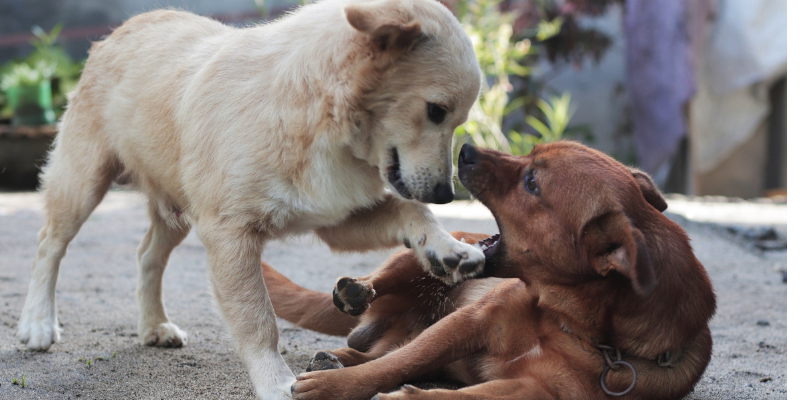
If you suspect your pet may have been bitten by (or otherwise exposed directly to) a wild animal (especially bat, skunk, racoon, fox or bobcat), seek immediate veterinary attention. A bite wound requires medical care and prescription medication. In addition, a myriad of protocols governed by Minnesota law must be followed regarding vaccination booster or potential quarantine. In specific circumstances, the supected rabid animal’s brain will be sent to the veterinary diagnostic laboratory for testing.
What to Do if You Suspect Your Pet Was Exposed to Rabies
- Vaccinated pet
- If a properly vaccinated pet was known to be bitten by a wild animal, the following will likely occur:
- A veterinarian may booster the Rabies vaccination.
- The pet is quarantined at home for a specific period (typically 10 days) to monitor for the emergence of illness, especially neurologic signs as detailed above.
- If a vaccinated dog, cat, or ferret bites a human being, the pet may be confined for 10 days at the owner’s house
- If a properly vaccinated pet was known to be bitten by a wild animal, the following will likely occur:
- Unvaccinated pet
- If the dog, cat, or ferret is not vaccinated against rabies, then the pet must be confined for 10 days at a veterinary clinic or other authorized monitoring facility
If a quarantined pet develops signs of rabies, the pet must be euthanized and submitted for rabies testing at the state veterinary diagnostic laboratory. The same process is followed if the pet dies or is otherwise euthanized during the quarantine period.
Note that stray pets with no owner identification have different guidelines. That’s one more reason to be certain to always have control of your pet and microchip them!
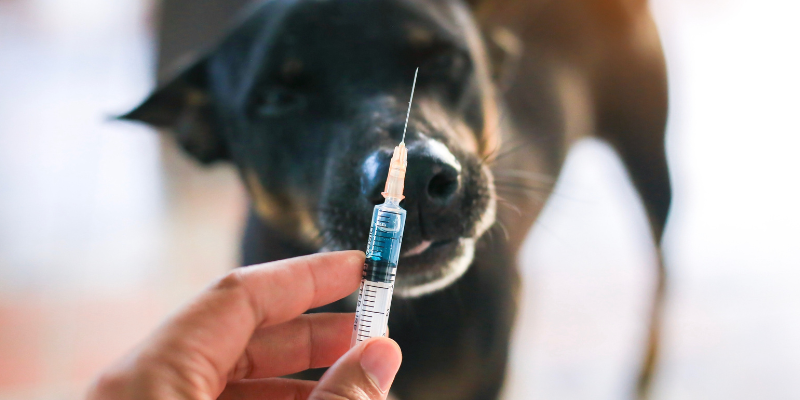
The best way to protect your pets is to vaccinate them for Rabies. If your pet is not up to date on vaccinations or you have any questions about the rabies vaccination, consult with your family veterinarian. To learn more about rabies, visit the Minnesota Boat of Animal Health’s website or the Minnesota Department of Health’s website for the most up-to-date information and additional resources.
More Reading:
Rabies | Minnesota Board of Animal Health (state.mn.us)
Rabies Statistics – MN Dept. of Health (state.mn.us)