 Veterinary Emergency & Urgent Care
 I Have An Emergency
Common Health Problems in Exotic Pets: What Owners Should Know
Exotic pets encounter many common health problems because their healthcare needs are surprisingly complex. And unlike dogs and cats, many exotic pets are prey species—which means they are naturally very good at hiding signs of pain or illness.
By the time an exotic pet looks obviously sick, their health problem may already be serious. That makes two things especially important for exotic pet owners: providing appropriate care at home and paying attention to even subtle changes in your pet’s behavior.
Here are some of the common health problems in exotic pets that our Avian & Exotic Animal Service sees—and what pet owners should watch for.
It Starts with Husbandry
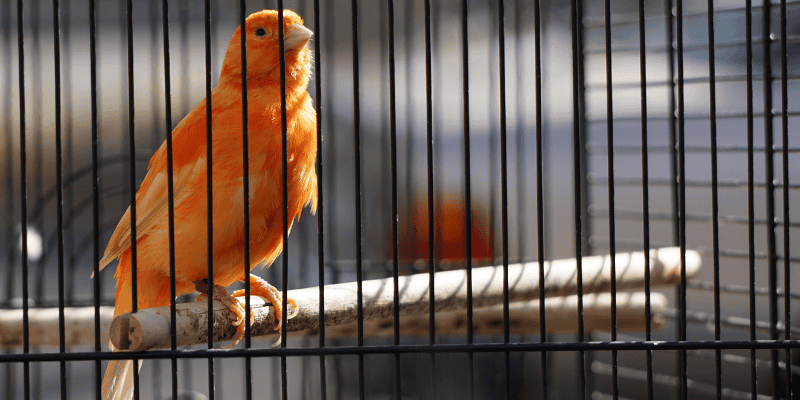
In exotic animal medicine, you’ll hear the word husbandry a lot. How an animal is housed, fed, handled, and cared for is its husbandry. Because exotic pets come from vastly different natural environments, good husbandry looks different for every species. Temperature, humidity, substrate, diet, lighting and light cycles, enclosure setup, and enrichment may all play a role in an animal’s health.
For reptiles, for example, inadequate UVB lighting can prevent the body from properly utilizing nutrients and contribute to metabolic bone disease. In birds, inappropriate diet or husbandry may contribute to obesity, behavioral and reproductive problems. Improper diet and housing for small mammals can contribute to dental disease, obesity, foot problems, and more. So with exotic pets in particular, good everyday care is also preventive medicine.
Dental Disease in Rabbits, Guinea Pigs, and Chinchillas
Rabbits, guinea pigs, and chinchillas have teeth that continuously grow. Keeping those teeth healthy requires more than simply giving your pet something hard to chew.
Hay is particularly important. The side-to-side chewing motion required to eat hay helps properly wear down the teeth. A diet that relies too heavily on pellets may not provide enough of that grinding motion. When the teeth don’t wear appropriately, they can develop overgrowth, sharp points, or other painful abnormalities. Dental abscesses can also occur.
One of the tricky things about dental disease is that the first sign may be surprisingly subtle. Your rabbit might still be eating—but suddenly prefer pellets over hay. Or perhaps they’ll eat one variety of hay but avoid another. Don’t dismiss those little changes. Exotic pets often hide pain extremely well, so a seemingly minor change in eating habits can provide an important clue.
When the vet team suspects dental disease, they may recommend advanced imaging such as CT to evaluate the teeth and jaw. Treatment can include correcting overgrown teeth or sharp points and, in some cases, surgery to treat an abscess. Once significant dental disease develops, ongoing monitoring and treatment may be necessary.
GI Stasis in Rabbits
“GI stasis” is a term familiar to many rabbit owners, but it’s important to understand that gastrointestinal stasis isn’t necessarily a disease itself. Rather, it’s a sign that something else is wrong.
When a rabbit experiences pain, illness, or significant stress, they may eat less. When they eat less, their gastrointestinal tract slows down.
Dental disease can trigger GI stasis. So can an ear infection, another painful medical condition, or even significant environmental stress. And a rabbit that stops eating can become very sick very quickly. Treatment involves determining why the rabbit stopped eating and addressing that underlying problem. Supportive care may include supplemental syringe feeding and pain medication, depending on the cause.
If your rabbit’s appetite or stool production suddenly decreases—or they stop eating altogether—contact a veterinarian promptly.
Ear Infections in Rabbits
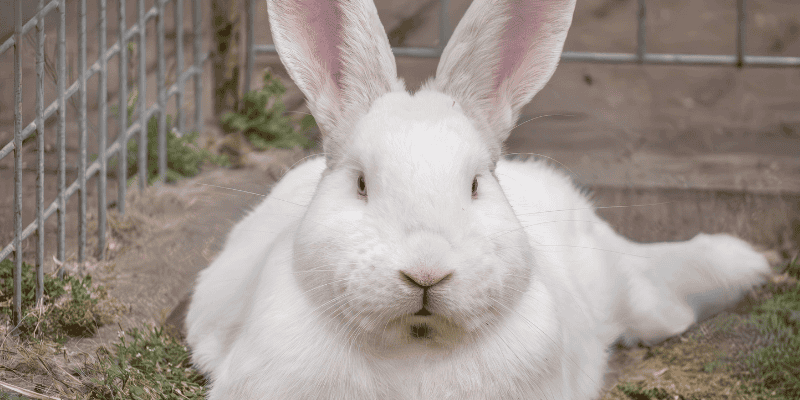
Those adorable lop ears can come with a downside: decreased airflow within the ear canals. As a result, lop-eared rabbits can be prone to middle and inner ear disease.
Signs can include:
- Head tilt
- Dizziness or loss of balance
- Falling or leaning to one side
- Abnormal eye movements
- Decreased appetite
Because a rabbit’s ear canal is narrow and the middle and inner ear are not visible from the outside, imaging may be necessary. CT is particularly useful because it allows the veterinary team to see structures that are difficult to evaluate with a physical exam or standard X-rays. Unlike some other exotic-pet conditions, ear disease isn’t necessarily the result of incorrect husbandry. Anatomy itself can predispose some rabbits to problems.
Adrenal Disease in Ferrets
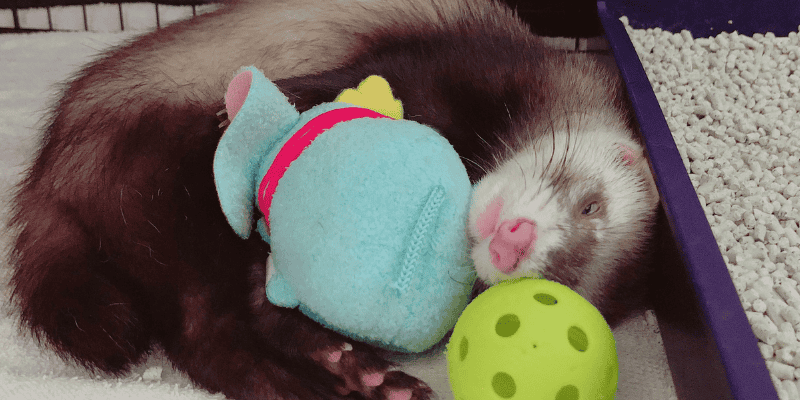
Adrenal disease is common in ferrets and occurs when an adrenal gland produces abnormally high amounts of sex hormones, often because of an adrenal tumor.
One of the classic signs is symmetrical hair loss, which may occur around the abdomen, hips, tail, or other areas. Ferrets may also become very itchy or develop behavioral changes, including increased aggression.
We don’t know the exact reason adrenal disease is so common in ferrets in the United States. Genetics, early spaying and neutering, and exposure to prolonged periods of daylight may all be possible factors.
Diagnosis may include bloodwork and abdominal ultrasound, although adrenal tumors can sometimes be too small to easily visualize.
Treatment often involves medical management. One option is a deslorelin implant placed under the skin, similar to a microchip, which can help control symptoms. Surgical removal of an affected adrenal gland is another potential treatment in some cases, although surgery can be complicated depending on which gland is involved.
Hypertension in Birds
Yes, birds can have high blood pressure too!
Diet can play an important role. While seed-based diets were once commonly recommended for pet birds, we now know that the nutritional needs of birds vary considerably by species. For many parrots, a seed-heavy diet is inappropriate. Sharing human foods can also cause problems. Foods high in fat can contribute to plaque and fat accumulation in the arteries, which may contribute to hypertension. Signs of hypertension can be vague. A bird may be lethargic, have a decreased appetite, or show weakness in a leg. Sometimes the vet team discovers high blood pressure during an examination for another problem.
Our knowledge of blood pressure in birds is still evolving, and we don’t know normal blood pressure values for every species. Birds with proven hypertension, however, may receive blood-pressure medication along with dietary changes.
Reproductive Problems in Birds
Hormones are a strong driver of both bird biology and behavior, and sometimes the way we interact with our birds can unintentionally encourage reproductive behavior. A good rule of thumb? Keep the petting to the head. Touching a bird along the back, wings, or chest may contribute to hormonal behaviors such as aggression, feather damaging behavior, and excessive egg laying.
Repeated egg production can be particularly hard on a bird because creating eggs requires significant amounts of calcium and other nutrients. Chronic egg laying can contribute to nutritional deficiencies and increase the risk of serious reproductive complications.
One of those complications is egg binding, or dystocia, which occurs when a bird is unable to lay an egg normally. The egg may be too large or misshapen, or another problem may prevent it from passing normally. Egg binding can become a serious medical problem and requires veterinary attention.
One other useful piece of information for bird owners: know your bird’s sex. Many bird species look identical externally regardless of sex, so blood testing may be necessary. Knowing whether your bird is male or female can be valuable information if your vet ever suspects reproductive disease.
Know What’s Normal for Your Exotic Pet
Perhaps the most important thing exotic pet owners can do is know their pet’s normal habits. Pay attention to what and how much they eat, their normal activity level, stool and urine production, grooming habits, posture, and behavior. A change that seems insignificant in a dog or cat may warrant more attention in a rabbit, bird, or other prey species. A rabbit that is technically still eating but suddenly avoids hay, for example, may already be experiencing dental pain. Waiting until an exotic pet looks obviously ill can mean waiting too long.
Do Your Homework Before Bringing an Exotic Pet Home
Exotic pets can be wonderful companions, but many require considerably more specialized care than prospective owners realize. Before bringing home a rabbit, bird, reptile, ferret, or other exotic animal, research the species carefully. Learn about its diet, housing, temperature and humidity requirements, lighting, enrichment, expected lifespan, common medical conditions, and veterinary needs.
And because recommendations for exotic pets continue to evolve as we learn more about these species, make sure your information comes from reliable veterinary and species-specific sources. The more closely you can meet your pet’s physical, nutritional, and behavioral needs, the better chance you have of preventing health problems before they start.
Have concerns about your exotic pet? Animal Emergency & Referral Center of Minnesota’s Avian & Exotic Animal Service provides specialized care for birds, rabbits, rodents, ferrets, reptiles, and other nontraditional pets. If you notice a change in your pet’s appetite, behavior, activity, or appearance, don’t wait for the signs to become dramatic—give your family vet a call, or ask for a referral to AERC.

Related Reading
Rabbit and Rodent Dentistry Tips