 Veterinary Emergency & Urgent Care
 I Have An Emergency
What is Leptospirosis?
Leptospirosis is a disease caused by a certain type of bacteria which can infect many different species, but the main one we worry about is dogs. Humans can also become infected with leptospirosis, as well as cats, but cats rarely develop any illness from the disease. Diseases which cross species into humans are called “zoonotic.”
Where does my pet get leptospirosis?
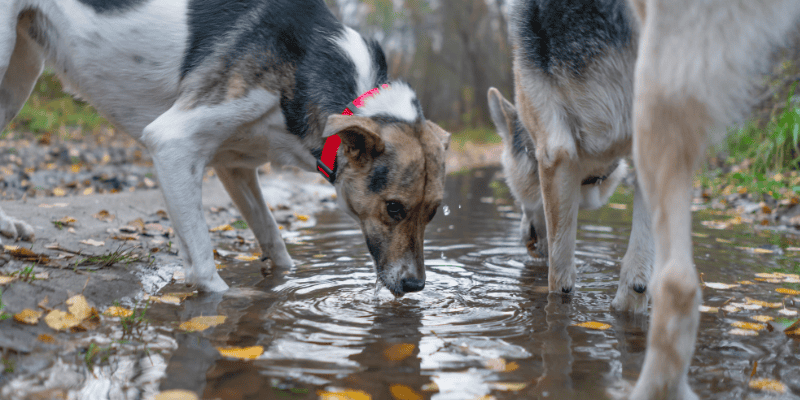
The number of Leptospirosis cases at AERC have risen over the last several years, despite vaccination being available. Dogs are usually exposed to the bacteria through water, soil, or bedding contaminated by infected urine or tissue. The bacteria are harbored and spread by many types of wildlife – restricted to mammals. Leptospirosis infects pets through breaks in the skin or via mucous membranes (eyes, gum tissue, etc). The incubation period is around 5 to 7 days before the clinical signs begin to show.
What are the symptoms of leptospirosis?
There are many varieties of leptospira bacteria, and they can cause a variety of symptoms. These include fever, vomiting, diarrhea, excessive thirst, excessive urination, lethargy, abdominal pain, coughing, difficulty breathing, collapse, jaundice, abnormal bleeding, and even eye problems. The most common and devastating effects, however, are due to kidney and liver damage. There are also cases where dogs can have bleeding problems and more specifically, bleeding into their lungs.
How is leptospirosis treated?
Patients who are treated for leptospirosis may be hospitalized on IV fluids, antibiotics, pain medications, liver support medications, and anti-nausea medications. These treatments can last several days, depending on severity, and may also include blood transfusions. As a result, leptospirosis can be very costly to treat. 50-90% of dogs survive the leptospira infection, but that number depends on the type of leptospira, severity of disease, and how early it is treated. Some patients have long term effects such as permanent kidney disease.

How do I prevent my dog from getting leptospirosis?
There is a vaccine available for dogs in the United States which covers four types of leptospira. However, the vaccine is not 100% effective in preventing leptospirosis. It also does not always provide cross-protection against other types of leptospira. That being said, in general, vaccination reduces the severity of the disease and decreases shedding of the bacteria in urine of infected dogs. The leptospirosis vaccine is not considered a “core” vaccine but is widely recommended for all dogs starting at 12 weeks of age. The vaccine has an initial dose, followed by a booster dose in 4 weeks, and must be boostered yearly.
If your pet develops signs or symptoms of leptospirosis, contact a veterinary clinic right away. Animal Emergency & Referral Center of Minnesota is open 24/7/365 and can be reached at 651-501-3766.
Related Reading: