
 Veterinary Emergency & Urgent Care
 I Have An Emergency
Summer Pet Safety at the Cabin
Summer in Minnesota is precious. After months of snow and cold, we pack up the car, head north, spend weekends at the cabin, fish on the lake, and soak up every minute of sunshine we can get. For many of us, our pets are right there alongside us for all the adventures. In a recent Facebook Live, AERC emergency veterinarian Dr. Anna Malone shared some of the most common summer emergencies she sees in dogs and cats—and what pet owners need to know about summer pet safety at the cabin.
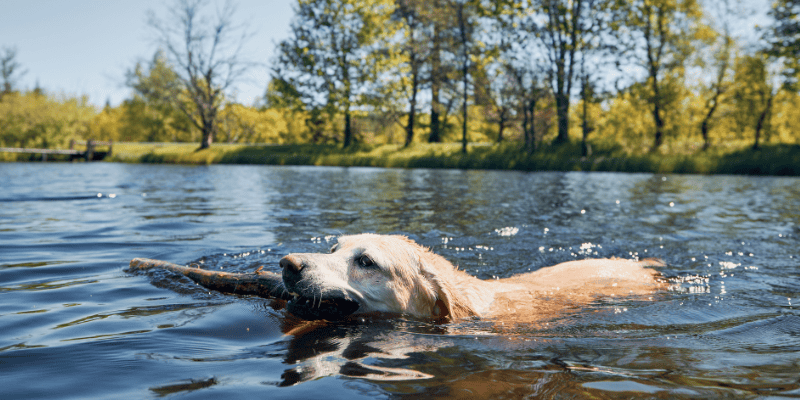
Heat Stroke: More Common Than You Think
Many pet owners assume heat stroke only happens on extremely hot days. In reality, humidity can be just as dangerous.
“We see a lot of heat stroke on humid days and especially early in the summer when dogs haven’t acclimated to the heat yet,” Dr. Malone explained.
Certain dogs are at particularly high risk, including brachycephalic (short-nosed) breeds such as Bulldogs, Pugs, and Boston Terriers. Because they already have a harder time cooling themselves through panting, even moderate temperatures can become dangerous.
But heat stroke isn’t limited to smush-faced breeds. Young, athletic dogs with “normal” faces can be just as vulnerable because many will keep running, chasing balls, or retrieving Frisbees long after they should have stopped.
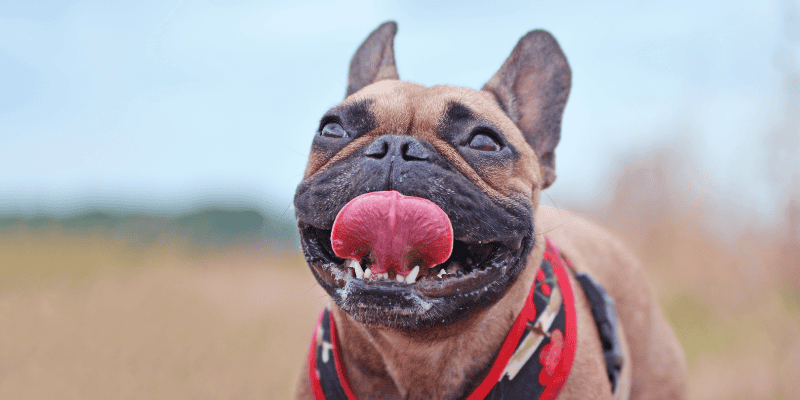
Signs of Heat Stroke
Watch for:
- Excessive, frantic panting
- Refusal to continue walking or playing
- Disorientation or confusion
- Bright red gums
- Bloodshot eyes
- Reluctance to drink water
- Collapse or inability to stand
What To Do
If you suspect heat stroke:
- Cool your pet immediately – even before contacting a veterinarian.
- Pour cool water over their body.
- Use air conditioning or fans if available.
- Contact a veterinarian right away.
One important point: even if your dog seems to recover, heat stroke can cause delayed complications including bleeding disorders, neurologic issues, and organ damage hours later. Veterinary evaluation is still recommended, even if you’ve successfully cooled your pet and they are acting more like themselves.
What About Cats?
Heat stroke is much less common in cats, but it can happen if they’re trapped in a hot area without access to water.
A key warning sign? Panting.
Cats generally do not pant. If your cat is panting, it’s time to investigate immediately and contact a veterinarian.
Boating and Lake Pet Safety
Minnesota lakes are a summer staple, but they can present unique hazards for pets.
Consider a Life Jacket
Even strong swimmers can benefit from a canine life jacket.
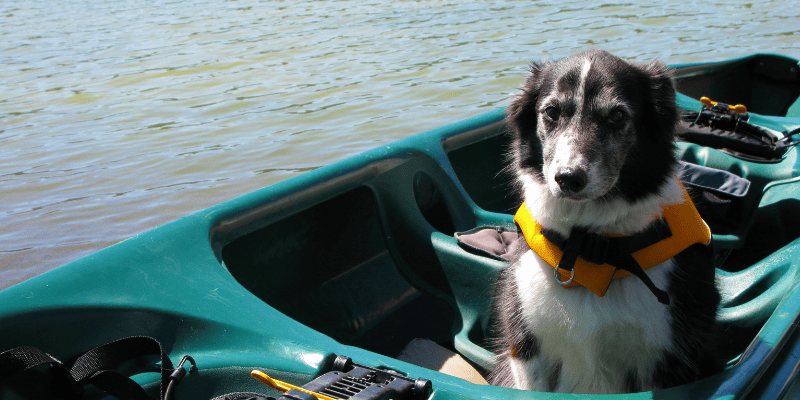
Life jackets help:
- Prevent drowning if a dog becomes exhausted
- Make it easier to lift dogs in and out of boats
- Improve visibility if a dog becomes separated from the boat
- Provide extra protection during water activities
Many life jackets also include convenient handles that make assisting your dog much easier.
Water Intoxication: The Hidden Lake Danger
One lesser-known emergency Dr. Malone sees is water intoxication.
Dogs that spend hours retrieving balls, swimming, and splashing can accidentally ingest large amounts of water. This can dilute their body’s electrolytes and lead to serious neurologic symptoms, including seizures.
To help prevent water intoxication:
- Give your dog regular breaks
- Offer food and snacks during long swimming sessions as they help correct the electrolyte imbalances that ingesting excess water can cause
- Limit endless games of fetch in the water
- Monitor for unusual behavior
Fishing Hooks and Fishing Line
Fishing and dogs don’t always mix.
Every summer, emergency veterinarians see dogs that have swallowed hooks, become snagged by lures, or tangled themselves in fishing line.
If Your Dog Gets Hooked
Do NOT:
- Pull on the hook
- Yank the fishing line
- Let your dog paw aggressively at the area
Instead:
- Cut excess fishing line if possible
- Leave enough line visible for veterinarians to locate the hook
- Prevent your dog from scratching or pawing at it
- Seek veterinary care promptly
Because fishing hooks contain barbs, attempting to remove them at home can cause additional trauma and is not recommended.
Every Cabin Needs a Pet First Aid Kit
Dr. Malone recommends keeping a basic pet first aid kit at your cabin or in your vehicle.
Suggested items include:
A Muzzle
Even the sweetest dog may bite when injured or frightened.
A soft, foldable muzzle can protect both you and your pet during emergencies and can prevent pets from worsening injuries by chewing or pawing at them.
An Elizabethan Collar (Cone)
A cone can help prevent pets from scratching, licking, or damaging injuries while you’re transporting them for care.
Benadryl
Ask your veterinarian in advance what dosage is appropriate for your pet.
Benadryl can be helpful for mild insect stings or allergic reactions while you’re traveling.
Stretchy Bandage Material
A simple ACE-style bandage can help temporarily cover wounds and keep them clean until your pet can be properly evaluated.
Blue-Green Algae: A Summer Pet Emergency
Blue-green algae blooms can be deadly.
Dogs become exposed when they swim in or drink contaminated water. Blue-green algae is so toxic that it can cause death before a pet even reaches a veterinary hospital.
What Does It Look Like?
Blue-green algae often makes water appear:
- Thick and green
- Cloudy or murky
- Similar to pea soup
However, appearances can be deceiving. The only way to confirm blue-green algae is through testing.
Stay Safe
Before visiting unfamiliar lakes:
- Check for advisories or recent algae reports
- Look for posted warning signs
- Avoid water that appears unusually green or thick
- When in doubt, keep pets out of the water
When it comes to blue-green algae, caution is always the safest choice.
Hidden Cabin Toxins
Cabins often contain hazards that we forget are there because we don’t live at our cabins everyday or even every season.
Rodent Poison
Rat and mouse poison is frequently used in seasonal properties and can remain hidden for years.
Unfortunately, many rodenticides are intentionally designed to taste appealing to animals, making accidental ingestion common.
Antifreeze
Antifreeze is another serious risk, especially at cabins that have been winterized.
Dogs are attracted to its sweet taste, but even small amounts can be extremely toxic. Dr. Malone notes that antifreeze may be found in unexpected places, including toilets or plumbing systems that were prepared for winter.
Before letting your dog explore a new cabin property, take a few minutes to inspect the area for potential toxins and hazards.
Watch Out for Porcupines
Few cabin experiences are as memorable—or as painful—as a porcupine encounter.

While some dogs escape with only a few quills, others can end up with hundreds embedded in their face, mouth, and throat.
Why Quills Are So Dangerous
Porcupine quills can migrate through tissue over time.
Veterinarians have documented quills traveling into:
- Lungs
- Deep facial tissues
- Areas that later develop abscesses and infections
In some cases, quills discovered months later have required major surgery.
If Your Dog Meets a Porcupine
- Prevent your dog from pawing at the quills
- Seek veterinary care promptly
- Don’t assume you’ve removed them all
Even when owners successfully remove visible quills, hidden quills can remain buried in the mouth, cheeks, or throat and require sedation to locate and remove safely.
Enjoy the Summer Pet Adventures—Safely
We can’t prevent every accident, but a little preparation can go a long way.
Pack a pet first aid kit, keep an eye on heat and water exposure, be cautious around unfamiliar environments, and remember that many summer emergencies can be prevented with a few simple precautions.
Have a safe, happy, and adventure-filled Minnesota summer now that you know all about summer pet safety at the cabin!
Related Reading
First Aid Kits for Pets
What If My Dog Eats Rodenticide
Dangers of Blue-Green Algae