 Veterinary Emergency & Urgent Care
 I Have An Emergency
Cuteness That Needs Extra Care: Brachycephalic Dogs Explained
Nearly 70% of households in the United States include a pet. These companions bring joy, comfort, and loyalty—but responsible pet ownership requires thoughtful planning. Some pets require much more medical care, management of their space, and pet care dollars than others.
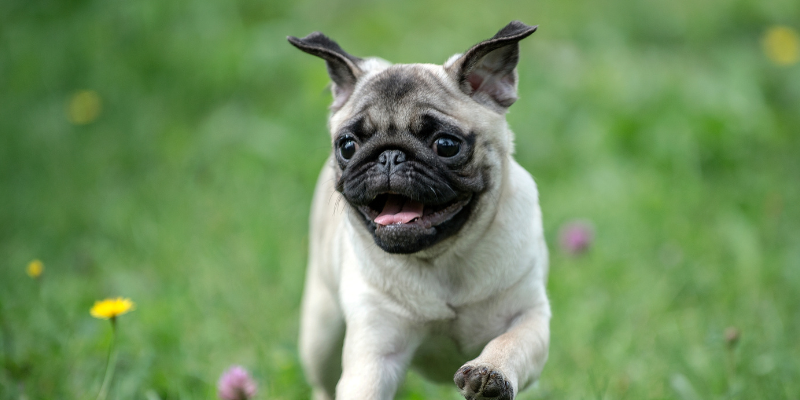
Brachycephalic dogs, those with shortened skulls and flat faces, often called “smush-faced dogs,” are a common example of pets with extra needs. Dogs in this category include the French Bulldog, English Bulldog, Pug, and Shih Tzu. While affectionate and charming, their adorable anatomy also brings health challenges. Understanding these issues in advance allows families to make informed, responsible decisions.
Airway Anatomy and Breathing Disorders
In brachycephalic dogs, the bones of the face are shortened, but the soft tissues of the nose and throat remain relatively normal in size. This mismatch often obstructs airflow and leads to Brachycephalic Obstructive Airway Syndrome (BOAS). Signs include noisy breathing, snoring, gagging, exercise intolerance, and episodes of difficulty breathing.
Some dogs require surgery to manage BOAS. Without surgery, airway obstruction may worsen and, in severe cases, become life-threatening.
Heat Intolerance and Exercise Limitations
Dogs regulate body temperature through panting. Because brachycephalic dogs often can’t get proper airflow, they struggle to keep themselves cool. Even mild activity, stress, or warm weather can trigger heat stroke and severe respiratory distress.
Owners must provide a cool home, avoid outdoor activities during peak heat, and maintain strict weight control. Harnesses are preferred over neck collars to reduce squeezing the dog’s airway. Exercise should be mild to moderate and closely monitored.
Anesthetic and Surgical Risk
Airway abnormalities also increase risks associated with sedation and anesthesia. Brachycephalic dogs are prone to regurgitation, aspiration pneumonia, and post-operative airway obstruction.
Veterinary teams must take additional precautions when treating these dogs. Even with appropriate safeguards, these breeds carry higher anesthetic risk than non-brachycephalic dogs. Owners should be prepared for this reality when surgical procedures are needed.
Eye, Skin, Weight, Orthopedic and Dental Health
Prominent eyes increase the risk of corneal ulcers, trauma, and chronic irritation. Any redness, squinting, or discharge should be promptly checked by a veterinarian.
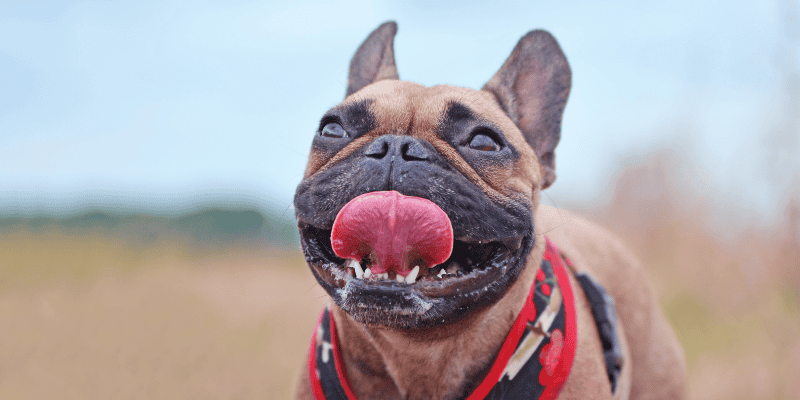
Those cute facial wrinkles can trap moisture and debris, leading to painful infections if not cleaned and dried routinely. Regular at-home maintenance is essential.
Dental disease is also common due to crowded and misaligned teeth. Professional dental cleanings and consistent brushing at home help prevent periodontal disease.
Many brachycephalic breeds have shortened limbs and elongated bodies. While this conformation is not a disease, it is associated with increased risk of intervertebral disc disease (IVDD), back pain, arthritis, and mobility challenges.
Maintaining a lean body condition is important to prevent injury. Owners should also limit jumping, discourage frequent stair use, and consider ramps when appropriate. Early intervention at the first sign of discomfort can help improve your dog’s chances of remaining mobile.
Gastrointestinal Sensitivity
Brachycephalic dogs are prone to gastrointestinal upset; including vomiting, diarrhea, and excessive gas. Dietary management may be necessary, and individualized nutrition plans developed with a veterinarian can improve comfort and digestive stability.
A Commitment to Proactive Care
Regular veterinary visits are essential for early detection of respiratory compromise, dental disease, orthopedic concerns, skin conditions and other breed-associated conditions. These dogs typically require more medical oversight and financial investment than other breeds.
With informed preparation, environmental management, and close partnership with a veterinarian, brachycephalic dogs can live happy and fulfilling lives. The key is understanding their unique needs and being prepared before bringing one of these dogs home. These steps help ensure that both the dog and the family thrive together.