 Veterinary Emergency & Urgent Care
 I Have An Emergency
Pet Insurance Could Save Your Pet’s Life!

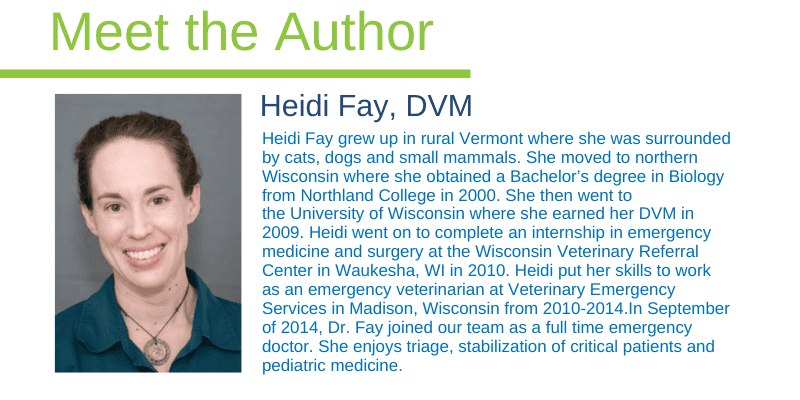
I have been a veterinarian for 17 years. Believe it or not, it wasn’t until I adopted my dog seven years ago that I purchased pet insurance for the very first time. It turned out to be one of the best decisions I’ve made. In fact, pet insurance saved my pet’s life.
At just six years old, my dog was diagnosed with intestinal lymphoma, an aggressive form of cancer in dogs. Her chance of living a long time with no treatment was poor, and the cost of needed chemotherapy was substantial. Without her pet insurance policy, we wouldn’t have pursued the treatment, and our dog would have died at a very young age.
Pet Insurance Saved My Pet’s Life
Fortunately, my dog’s insurance coverage allowed us to proceed with an aggressive chemotherapy protocol. Today, she has exceeded her expected survival time by more than a year, and she continues to feel great! My family is so grateful for this extra time. My experience has shown me the value of pet insurance when medical challenges arise. As a result, I now recommend pet insurance to anyone who has a pet.

Most pet owners are aware that the level of care available in veterinary medicine has increased in the past several years. Modern diagnostics, specialized treatments, advanced surgical procedures, and innovative therapies have improved both the quality and longevity of pets’ lives. However, these advances have also increased the cost of veterinary care, increasing the financial burden for pet owners. Pet insurance helps bridge the gap between access to high quality care and the expense of treatment.
How Does Pet Insurance Work?
Pet insurance works similarly to human health insurance, with a few key differences. Owners usually pay a monthly premium, cover veterinary costs upfront, and then submit claims for reimbursement. Most policies cover accidents and illnesses, while additional riders can help pay for routine care such as vaccines, wellness exams and dental cleanings. Coverage usually excludes pre-existing conditions. Therefore, for the greatest value and broadest coverage options, pet owners should enroll pets while they are young and healthy. When evaluating a policy, owners should consider deductibles, reimbursement rates, coverage limits, waiting periods, and exclusions that may be based on breed.
Money Doesn’t Have to Be The Deciding Factor
One of the primary benefits of pet insurance is the ability to make healthcare decisions based on medical need rather than what you can afford to spend. A serious illness or injury can create both emotional and financial stress. Pet insurance can ease that burden by helping families pursue their preferred treatment option without facing the full cost alone.

Ultimately, pet insurance is an investment in both a pet’s health and a family’s financial readiness. We can predict that veterinary medicine will continue to change. But pet insurance can help make sure that pets have access to the advanced care they deserve while reducing the financial burden associated with emergency medical expenses. By planning ahead and investing in pet insurance, pet owners can provide their beloved companions with the opportunity for a healthy, happy life.
Related Reading:
Should I Get Pet Insurance for My Pet?